Deity
अश्विन्
Ashvins
The Divine Twin Horsemen, Celestial Physicians
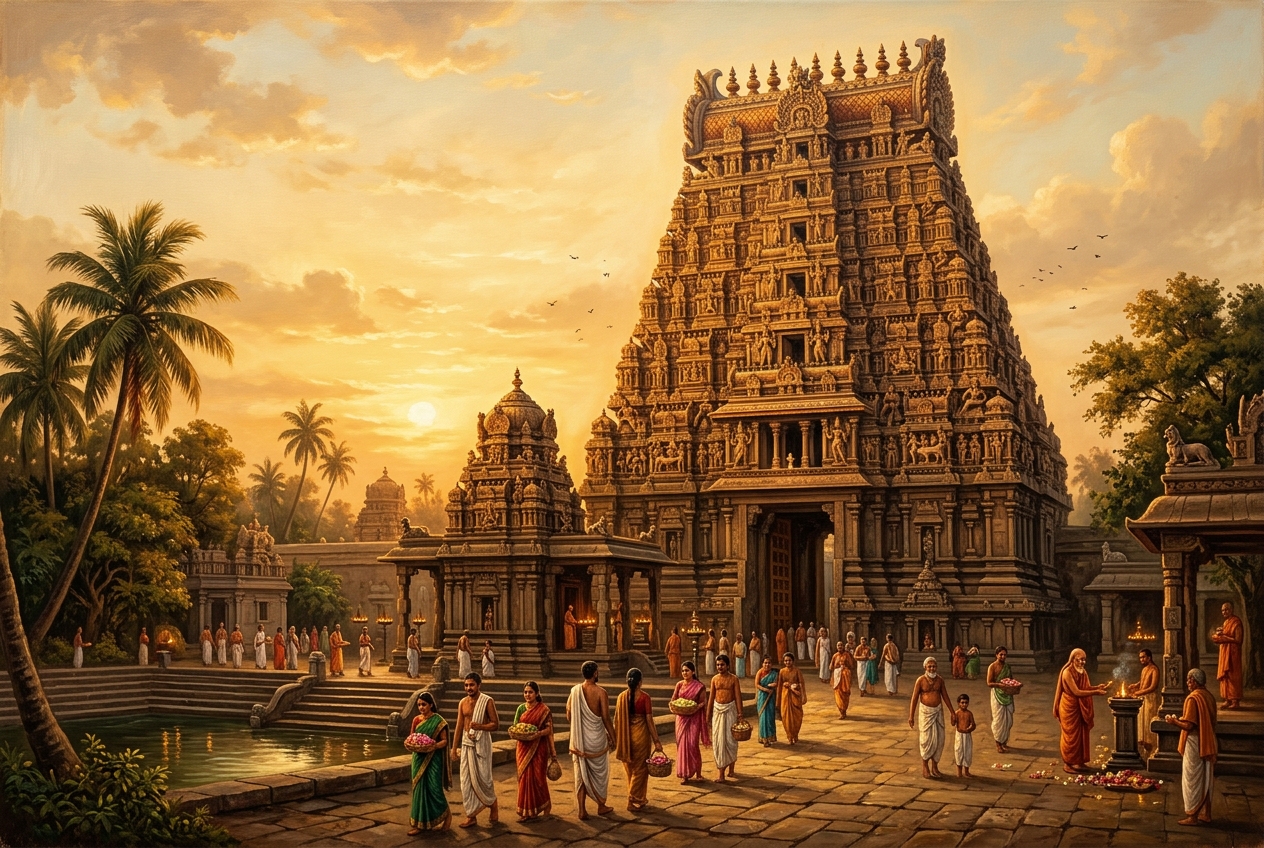
अश्विन्
परिचय
AboutThe Ashvins, also known as the Ashvini Kumaras or Nasatyas, are the divine twin horsemen of the Rigveda. Born of the Sun god (Surya) and the cloud goddess Saranyu, They are the inseparable and eternally youthful riders of a golden, three-wheeled chariot drawn by fleet-footed horses or birds. They appear in the sky just before dawn, paving the way for the goddess Ushas. They are most celebrated as the supreme celestial physicians, rushing to the aid of mortals in distress. Rigvedic hymns are filled with accounts of Their miraculous rescues: restoring youth to the aged sage Chyavana, rescuing Bhujyu from the ocean, and providing a metal leg to the warrior queen Vishpala.
Significance
The significance of the Ashvins lies in Their role as the ultimate saviors and healers in the Vedic pantheon. Unlike the distant or fearsome aspects of other deities, the twins represent the immediate, compassionate, and miraculous intervention of the divine in human suffering. They bridge the dark of night and the light of day, symbolizing hope, rejuvenation, and the transition from sickness to health. In traditional Ayurvedic medicine, They are revered as the foundational patron deities who first imparted the knowledge of healing to humanity, firmly establishing health and vitality as essential components of the cosmic order.
Associated content is being added.
Your notes
Private reflections you can revisit anytime.
Questions & Discussions
Ask a question or start a discussion about this page.
- No questions or discussions yet — be the first.