Deity
विष्णु
Vishnu
The Sustainer, Supreme Lord, Protector of the Universe
विष्णु
परिचय
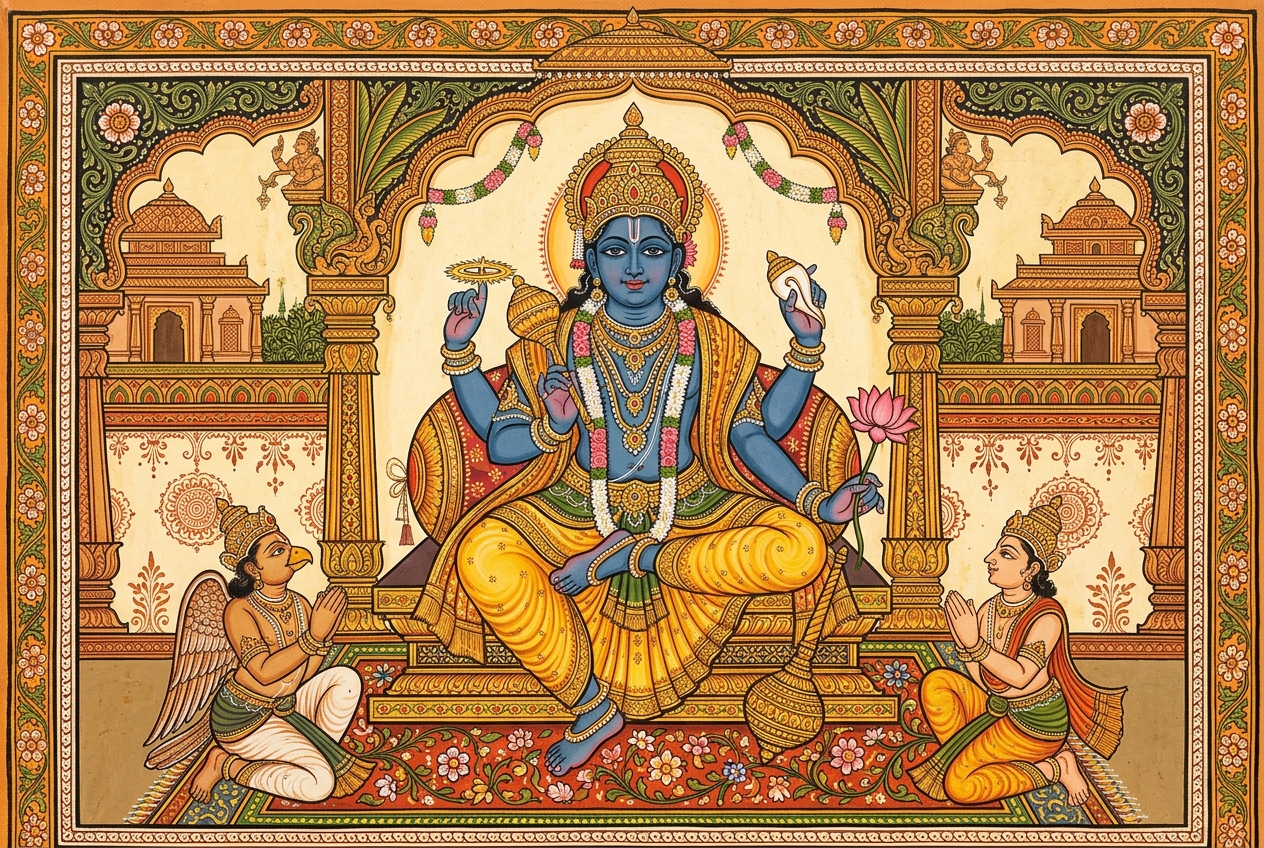
AboutLord Narayana, also known as Vishnu, is the principal deity of sustenance and protection within the Trimūrti, alongside Brahma and Shiva. As the Supreme Being in Vaishnavism, He is the all-pervading essence of all beings and the master of the past, present, and future. He is classically depicted resting on the coiled serpent Adishesha in the cosmic ocean of milk (Kṣīrasāgara), accompanied by His consort Lakshmi. He possesses a blue complexion reminiscent of the infinite sky and has four arms. In His hands, He holds a conch shell (Śaṅkha) named Panchajanya, a spinning discus weapon (Chakra) named Sudarshana, a mace (Gadā) named Kaumodaki, and a lotus flower. His chosen vehicle is the great eagle Garuda.
Significance
The significance of Vishnu is deeply rooted in his role as the eternal guardian of cosmic law and righteousness. Whenever the universe is threatened by chaos, evil, or demonic forces, He incarnates upon the earthly realm to restore balance. These divine descents are known as the Dashavatara, the ten primary avatars, which include legendary figures such as Rama and Krishna. Philosophically, He represents the cohesive force of the universe, ensuring stability, sustenance, and moral order. Devotion to Him is a central theme in many Hindu scriptures, particularly the Bhagavad Gita and the Bhagavata Purana, which teach that unconditional surrender (Śaraṇāgati) to His divine will is the ultimate path to spiritual liberation from the cycle of rebirth (Saṃsāra).
मंत्र
Mantras
Om Namo Narayanaya
ॐ नमो नारायणाय
The supreme eight-syllable (Ashtakshara) mantra of Lord Vishnu, chanted for complete surrender, spiritual liberation, and universal peace.
Om Namo Bhagavate Vasudevaya
ॐ नमो भगवते वासुदेवाय
The supreme twelve-syllable (Dvadasakshari) mantra of Lord Vishnu and Krishna, chanted for ultimate devotion, peace, and spiritual liberation.
Narayana Gayatri Mantra
नारायण गायत्री मंत्र
The supreme Vedic Gayatri mantra dedicated to Lord Narayana (Vishnu), chanted to invoke His supreme intellect, spiritual illumination, and liberation.
कथा
Kathas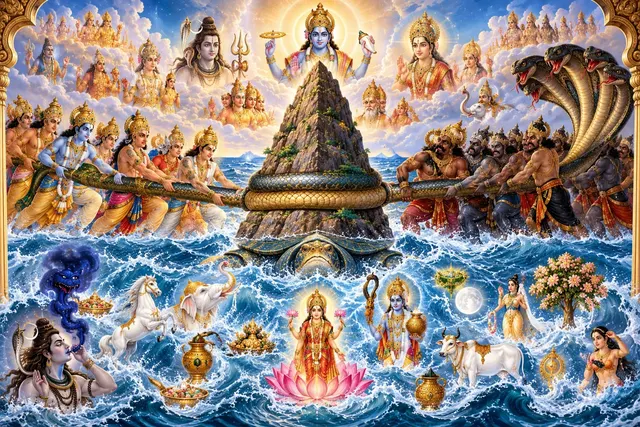
Churning of the Ocean
The epic of the Churning of the Cosmic Ocean by Devas and Asuras.
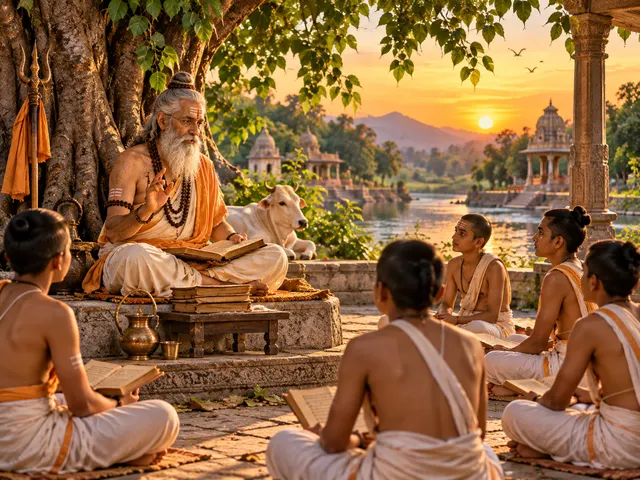
Time Travel Story of Revati and Balarama
A princess from Satya Yuga travels to Brahmaloka to find a groom, only to discover a shocking truth about cosmic time.
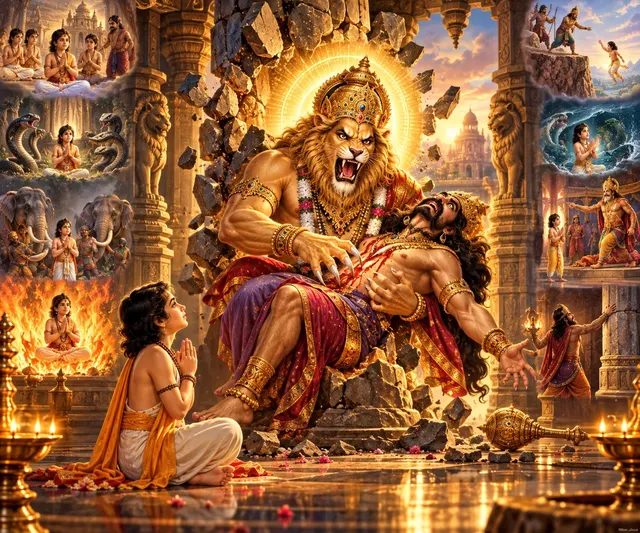
Legacy of Prahlada
The story of Prahlada, his unwavering devotion to Lord Vishnu, persecution by Hiranyakashipu, and the divine appearance of Mahavatar Narasimha.
Your notes
Private reflections you can revisit anytime.
Questions & Discussions
Ask a question or start a discussion about this page.
- No questions or discussions yet — be the first.